Trump’s 301 tariff investigation targets India and other major economies. Learn how the Section 301 trade probe could impact India–US trade relations.
Trump’s 301 tariff investigation has drawn global attention after Donald Trump ordered new probes into the trade practices of several countries, including India, China, Mexico, and Japan.
The investigations are being conducted under Section 301 of the Trade Act of 1974, a legal provision that allows the United States to examine and respond to trade practices it considers unfair.
The move comes after legal and political debates surrounding tariff policies in the United States. By initiating fresh investigations, the Trump administration aims to evaluate whether certain trading partners are engaging in practices that disadvantage American businesses.
The development has raised questions about how potential tariffs could influence global trade relationships, particularly with large economies such as India.
What Is Trump’s 301 Tariff Investigation
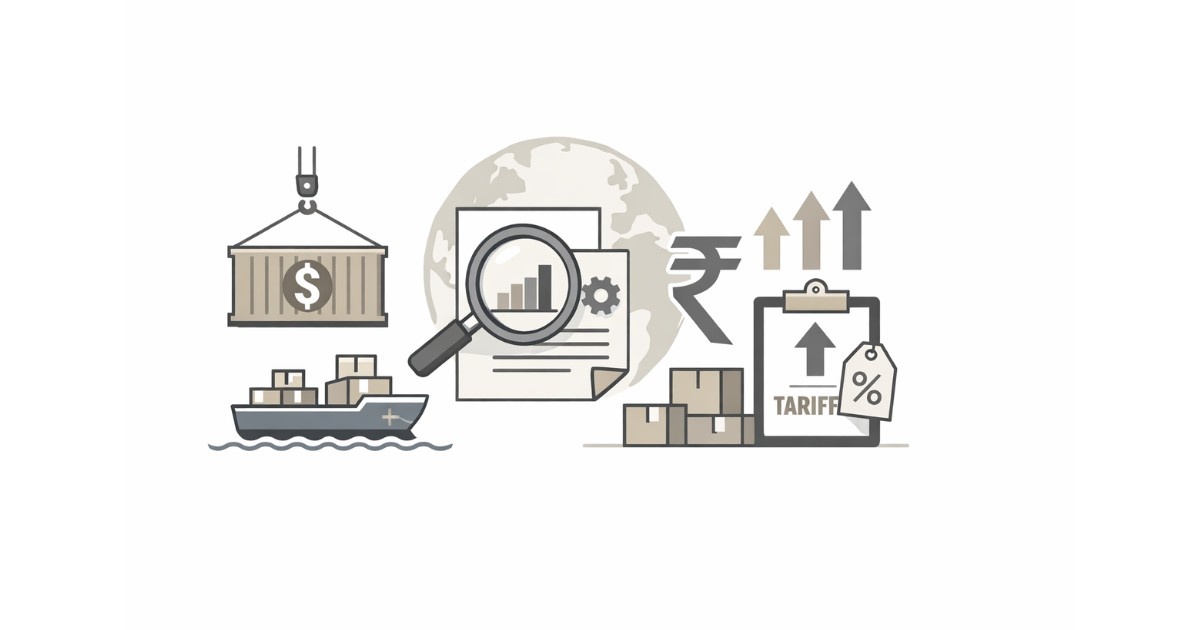
The Trump’s 301 tariff investigation refers to trade probes initiated under Section 301 of the Trade Act of 1974. This law gives the Office of the United States Trade Representative the authority to investigate foreign trade policies and take action if those policies are deemed unfair to American companies.
Possible responses can include imposing tariffs, restricting imports, or negotiating changes to trade practices with the affected country.
Section 301 investigations are often used when the United States believes a trading partner has violated trade agreements, imposed discriminatory policies, or created barriers that disadvantage American industries.
The measure has been used in the past during major trade disputes, including those involving China and other large trading partners.
Countries Under Investigation
According to reports, the Trump’s 301 tariff investigation includes several key economies that maintain large trade relationships with the United States.
These include India, China, Mexico, and Japan. Each of these countries plays a significant role in global trade and maintains extensive economic links with American businesses.
Officials involved in the investigation will evaluate policies in sectors such as technology, manufacturing, agriculture, and market access.
The findings could determine whether the United States introduces new tariffs or other trade measures.
The announcement has therefore drawn close attention from policymakers and economists around the world.
Why the Investigation Was Ordered
The Trump’s 301 tariff investigation follows ongoing debates in the United States about trade imbalances and economic competitiveness.
Supporters of stricter trade enforcement argue that certain countries benefit from policies that limit fair market access for American companies.
By launching investigations, U.S. authorities aim to assess whether foreign governments are engaging in practices that could harm American industries.
Trade officials may examine issues such as intellectual property protection, subsidies, regulatory restrictions, and digital trade policies.
If the investigation concludes that unfair practices exist, the U.S. government may impose retaliatory measures.
Possible Impact on India
The Trump’s 301 tariff investigation could potentially influence trade relations between the United States and India.
India and the United States share a growing economic partnership that includes trade in goods, services, technology, and investment.
However, certain trade disagreements have surfaced in the past regarding tariffs, market access, and regulatory standards.
If the investigation identifies areas where the United States believes Indian policies disadvantage American companies, tariffs could be introduced on selected imports.
Such measures could affect sectors that rely heavily on exports to the U.S. market.
At the same time, trade experts note that investigations do not automatically result in tariffs, as negotiations between countries often take place before final decisions are made.
India–United States Trade Relations
The Trump’s 301 tariff investigation comes at a time when India and the United States maintain strong trade and strategic ties.
The United States is among India’s largest trading partners, with bilateral trade covering sectors such as information technology, pharmaceuticals, textiles, machinery, and agricultural products.
Both countries have also worked together on initiatives related to digital innovation, defense cooperation, and supply chain development.
Because of the scale of trade between the two nations, any tariff changes could attract attention from businesses and policymakers.
Trade experts say that discussions between the governments will likely play a role in determining how the situation evolves.
Global Trade Concerns
The Trump’s 301 tariff investigation has also raised broader concerns about global trade stability.
When large economies impose tariffs, the effects can extend beyond the countries directly involved.
Tariffs can influence supply chains, increase costs for businesses, and create uncertainty for international trade partners.
Economists often note that trade disputes between major economies can affect global markets and investment decisions.
As a result, international organizations and trade analysts closely monitor developments related to tariff investigations and trade policy changes.
Role of the U.S. Trade Representative
Under the Trump’s 301 tariff investigation, the Office of the United States Trade Representative will conduct the review process.
The agency is responsible for examining trade practices, collecting evidence, and consulting with stakeholders such as industry groups and policymakers.
Public hearings and consultations may be part of the investigation process.
If the agency determines that certain practices violate trade principles or harm American businesses, it can recommend actions to address the issue.
These actions could include tariffs, negotiations, or other trade measures.
Previous Use of Section 301
The Trump’s 301 tariff investigation follows earlier uses of the same law in international trade disputes.
Section 301 has historically been used by the United States to address concerns related to intellectual property protection, market access restrictions, and other trade barriers.
One of the most notable recent examples involved trade tensions between the United States and China, which resulted in a series of tariffs imposed by both countries.
Such disputes often lead to negotiations aimed at resolving disagreements and restoring balanced trade relationships.
Because of this history, new investigations under Section 301 tend to receive significant attention from governments and industries worldwide.
Businesses Monitoring Developments
Companies engaged in international trade are closely monitoring the Trump’s 301 tariff investigation.
Exporters and importers often evaluate potential policy changes to determine how tariffs might affect costs, supply chains, and pricing strategies.
Industries that rely heavily on cross-border trade may adjust their planning depending on the outcome of the investigation.
For businesses operating between India and the United States, any tariff changes could influence trade volumes or investment decisions.
However, analysts emphasize that trade investigations typically take time to conclude, and final outcomes depend on diplomatic discussions and policy reviews.
What Happens Next
The Trump’s 301 tariff investigation will involve multiple stages, including data collection, stakeholder consultations, and policy analysis.
The Office of the United States Trade Representative will assess whether the policies of the countries under investigation create barriers for American businesses.
After completing its review, the agency may recommend actions such as negotiations with the countries involved or the introduction of tariffs.
The timeline for these investigations can vary depending on the complexity of the issues under review.
During this period, governments and industry groups may participate in discussions aimed at resolving concerns through dialogue.
Conclusion
The Trump’s 301 tariff investigation marks a significant development in global trade policy discussions.
By launching new probes into the trade practices of countries including India, China, Mexico, and Japan, the United States has signaled a renewed focus on addressing perceived trade imbalances.
For India, the investigation could lead to closer scrutiny of certain trade policies, though the final outcome will depend on the findings of the review and subsequent negotiations.
As the process moves forward, policymakers, businesses, and analysts around the world will be watching closely to see how the investigation shapes future trade relations and economic cooperation.
Also Read: Irfan Pathan’s BIG Statement on MS Dhoni Ahead of IPL 2026: ‘This Season Might Be the Last’